Why I Have Two Robot Vacuums (And Why It Actually Makes Sense)
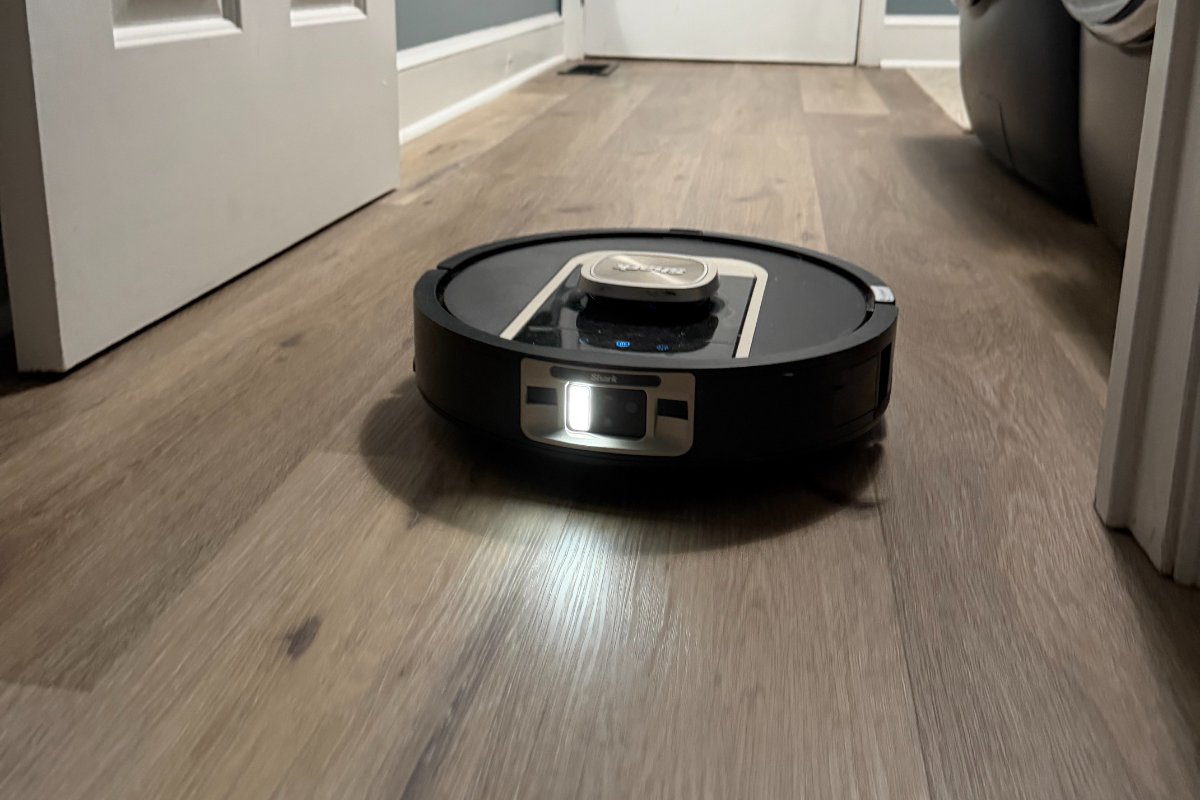
I used to think having multiple robot vacuums in one house sounded excessive, but now it’s one of the highest ROI home systems I've implemented. We have two different Shark robot vacuums running in different parts of the house because (1) robots can't do stairs (yet) and (2) different areas of the house have completely different cleaning problems.
kitchen crumbs
constant foot traffic
snack debris
dirt tracked in from outside (despite taking our shoes off at the door)
random “why is there shredded cheese under the table?” moments
cat litter
lower daily traffic
less urgent messes overall
Trying to use one vacuum for both areas just didn’t work well. The cleaning schedules were different, the mess level was different, and honestly, carrying a robot vacuum between floors defeats half the point.
So now each floor has its own job and it works significantly better.
The Main Floor Vacuum: The Heavy Lifter
For our main floor, we use the Shark PowerDetect NeverTouch Pro Robot Vacuum and Mop.
This one handles the areas that constantly look messy five minutes after cleaning:
kitchen
dining area
entryway
main living space
This floor is basically chaos from 6am–8pm between kids, meals, a senior cat, and well life.
The biggest thing I’ve learned about keeping a house looking cleaner is this:
It’s less about deep cleaning and more about preventing buildup. Maintenance along the way defeats zero cleaning during the week and deep cleaning on the weekend.
Why I Use the Higher-End One Upstairs
The upstairs/main floor vacuum earns its keep because this area gets the hardest jobs:
crumbs under the table
dried snack pieces
coffee grounds
dirt near the back door
fur tumbleweeds collecting in corners
The mopping feature matters more up here too because kitchen floors somehow get sticky approximately 14 seconds after being cleaned.
A few things I specifically like:
self-emptying dock
obstacle avoidance that’s actually decent
ability to handle heavier daily traffic
vacuum + mop combo
doesn’t require constant babysitting to refill cleaning solution
That last one matters a lot.
A “smart” cleaning product that constantly gets stuck or needs rescuing becomes another chore. The goal is reducing mental load, not adding another thing to manage.
The Basement Vacuum: Cat Litter Containment
Downstairs we use the Shark AI Ultra Robot Vacuum.
This one handles:
litter tracking
cat fur
dust
lower traffic spaces
Honestly, this setup has made the biggest difference around the litter box area.
If you have cats, you already know: the litter itself is rarely the issue.
It’s the tiny granules that somehow migrate 40 feet away from the actual litter box.
Running a robot vacuum daily near the litter area keeps it from accumulating in the first place.
Why a Lower-End Vacuum Works Fine Downstairs
The basement simply doesn’t need the same level of cleaning power or mopping capability.
So instead of buying two expensive vacuums, we put the better one where the mess is worse and used a more affordable model where:
traffic is lighter
messes are more predictable
cleaning demands are lower
That’s honestly how I think about most home systems now: match the tool to the actual problem. Not every area of the house needs the premium version.
My Biggest Robot Vacuum Takeaway
Robot vacuums work best when you stop expecting them to replace deep cleaning entirely.
They’re maintenance tools and keep your floors from reaching disaster status.
That means:
less buildup
less sweeping
fewer “how is it already dirty again?” moments
easier weekly cleaning overall
And for busy households, that consistency matters more than perfection.
Especially if you’re balancing work, kids, pets, meals, laundry, and approximately 900 tiny daily interruptions.
Things That Help Robot Vacuums Work Better
A few things that genuinely improve performance:
Run them daily
Every-other-day sounds reasonable until crumbs multiply exponentially.
Daily maintenance cleaning works better than marathon cleaning sessions.
Clear obvious floor clutter
Not minimalist-level clean. Just:
rogue socks
charging cords
random toy explosions
Focus on problem zones
Our kitchen and litter box areas are where these vacuums provide the most value.
That’s where repetitive messes happen.
The Robot Vacuum ROI Math
Let’s say a premium cordless vacuum costs around $800.
A good robot vacuum can be around $500.
At first, $500 still sounds like a lot. But the math changes when you stop comparing vacuum to vacuum and start comparing time spent vacuuming vs. time saved.
If I vacuum manually 3 times a week and each session takes 20 minutes, that’s:
60 minutes per week
4 hours per month
52 hours per year
That is more than two full days a year spent just vacuuming.
Now compare that to a robot vacuum running automatically during bedtime, while I’m working, or after dinner. Even if it only saves me 75% of that manual vacuuming time, that’s about:
39 hours saved per year
So if the robot vacuum costs $500, the first-year “cost” comes out to about:
$500 ÷ 39 hours = $12.82 per hour saved
And that’s just year one.
If it lasts 3 years, the math gets even better:
$500 ÷ 117 hours saved = $4.27 per hour saved
That’s where the ROI makes sense to me. A regular vacuum may be powerful, but it still requires me to do the work. A robot vacuum gives me time back every single week, keeps the house from hitting disaster mode, and lowers the amount of deep cleaning I have to do later.
So yes, $500 is still real money. But compared to an $800 cordless vacuum that still needs me to manually vacuum, the robot vacuum has been the better return on investment in our house.
The Real Reason I Like Them
It’s not about having spotless floors.
It’s about reducing the number of tiny cleaning tasks constantly sitting in the background of my brain.
Robot vacuums shrink the mental load and I live for that.
Some links on this site are affiliate links — meaning if you buy something I recommend, I may earn a tiny commission at no extra cost to you. I only ever share things I genuinely use and love. Thanks for supporting this little corner of the internet. 💚
Get Thriving-ish on Substack
Sharing lessons I'm learning powered by sarcasm and double shots of espresso. Articles every Tuesday. Notes daily.
Subscribe